
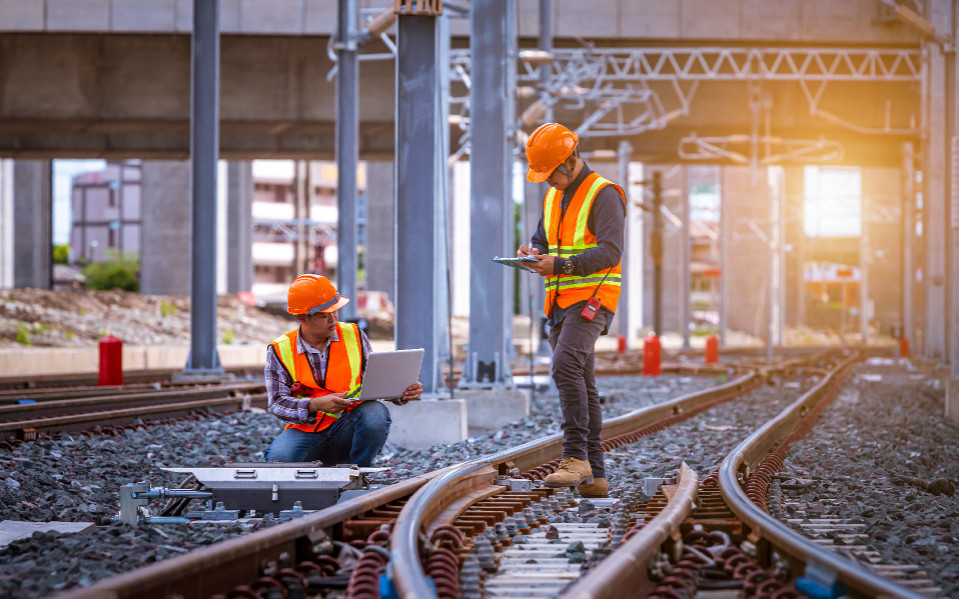
Railroad contractors play a critical role in maintaining, repairing, and improving the infrastructure that keeps freight and passenger rail systems operating safely and efficiently. However, working on or around railroad property presents unique risks that often require specialized insurance coverage beyond a standard contractor insurance program.
The 50-Foot Gap Contractors Can’t Ignore
A contractor is often financially responsible for damages or injuries caused by their work within 50 feet of a railroad. A general liability policy may exclude that work, so the policy often needs specific railroad-related endorsements to provide coverage. Without them, and several other rail related insurances, a contractor may not be able to bid on jobs involving work within 50 ft. of a railroad, or they may have gaps in their coverage for such work.
Coverage Rail Contractors Are Required to Carry
Rail contractors typically need these core coverages:
- Commercial general liability. Sometimes referred to as railroad contractor liability insurance, this coverage serves as the foundation of a contractor’s insurance program. Depending on the work being performed, additional endorsements may be needed to address exposures associated with work conducted around rail operations.
- Workers’ compensation. Covers on-the-job injuries to your crew. FELA is sometimes brought up in discussions involving railroad-related work. Understanding when it applies, who it applies to, and why can be complex.
- Commercial auto. May be required when vehicles operate on or around railroad property. Depending on the work being performed, contractual requirements may affect the insurance coverage and limits needed for the project.
- Professional liability/errors and omissions. Likely required when a contractor provides consultative services, inspections, or design work that could result in financial loss, bodily injury, or property damage.
- Pollution liability. Can be required because of the potential environmental impact associated with some activities such as fuel transfers, equipment maintenance, excavation, tie replacement, ballast work, herbicide application, and the disturbance of contaminated soil can lead to the release of pollutants into the environment. Even a relatively small spill or disruption can result in significant cleanup costs, regulatory fines, third-party property damage claims, and bodily injury allegations.
CBIZ Railroad Protective Liability Insurance
For a rail contractor, a single missing policy, coverage, or endorsement can hold up an entire job. Railroad protective liability insurance is often one of those requirements. Railroad protective liability insurance is a project-specific policy purchased by a contractor for work being performed on or near a railroad. The policy is issued in the railroad’s name and provides an additional layer of protection for the railroad against bodily injury or property damage claims arising from the contractor’s work.
Who Qualifies for Rail Contractor Coverage
Contractors performing work within 50 feet of a railway are often required to secure this coverage before work begins. That can include:
- Maintenance, repair, rerail, or new construction on or around a short line railroad
- Overseeing, managing, or performing railroad construction work
- Jobs involving rail, ties, ballast, bridges, tunnels, vegetation control, and similar structures
CBIZ Rail matches the coverage to the project, so a contractor carries coverage that fits the job. Through its relationship with McRail, CBIZ Rail helps contractors access specialized railroad insurance solutions tailored to the needs of rail projects and connect with markets that offer this coverage.
That speed and precision help keep a contractor clear to work, the crew on schedule, and the next bid within reach.
Get Railroad Protective Liability Coverage Today
Connect with CBIZ Rail advisory to get the right advice and coverages needed ahead of the next big project bid.
Frequently Asked Questions
Railroad Protective Liability Insurance is a policy purchased by the contractor for the benefit of the railroad. It provides protection to the railroad for liabilities arising from a contractor’s work performed on or near railroad property and is frequently required before work can begin.
Many railroads require RPL coverage whenever contractors perform construction, maintenance, installation, repair, or utility work within a railroad right-of-way or on railroad-owned property. Requirements vary by railroad and project type.
Rail construction activities can involve excavation, fuel-powered equipment, drainage work, vegetation management, and disturbance of soil or existing infrastructure. These operations can create environmental exposures that may not be covered by a standard liability policy. Pollution Liability Insurance helps protect contractors against cleanup costs, environmental damage claims, and related legal expenses.
Coverage requirements depend on the railroad, project owner, location, and scope of work. Many contracts specify minimum liability limits and may require higher limits for larger or more complex projects.
Often, yes. Prime contractors may be contractually responsible for ensuring that subcontractors maintain the required insurance coverages and limits before performing work on a railroad project.
Insurance requirements vary by railroad and project, but contractors are commonly required to carry Commercial General Liability (CGL), Workers’ Compensation, Commercial Auto Liability, Umbrella Liability, Railroad Protective Liability (RPL), and Pollution Liability Insurance. Additional coverages may be required depending on the scope of work.
This blog may contain scenarios that are provided as examples only. Coverage is subject to the terms, conditions and exclusions of the policy issued. The information provided is general in nature and may be affected by changes in law or the interpretation of such laws. The reader is advised to contact a professional prior to taking any action based upon this information.